Installera appen
Hur du installerar appen på iOS
Följ med i videon nedan för att se hur du installerar vår webbplats som en webbapp på din startskärm.
Notera: This feature may not be available in some browsers.
Du använder en gammal webbläsare. Den kanske inte visar den här eller andra webbplatser korrekt.
Du bör uppgradera eller använda en alternativ webbläsare.
Du bör uppgradera eller använda en alternativ webbläsare.
Cykla utan hjälm?
- Trådstartare paramedic
- Start datum


Erik Sandblom
Aktiv medlem
Cykla utan hjälm?
BFS skrev:
-------------------------------------------------------
> Att cykla utan hjälm är att leva la vida loca.
Konstigt då att Nederländerna är minst lika cykelsäkert som Sverige.


-------------------------------------------------------
> Att cykla utan hjälm är att leva la vida loca.
Konstigt då att Nederländerna är minst lika cykelsäkert som Sverige.
Cykla utan hjälm?
blgs skrev:
-------------------------------------------------------
> Ja kan säga att ja lever fortfarande pga ja hade
> hjälmen på mej den gång vi tränade o ja gick
> på bakhjul o vurpade, kan säga oxå att dom hade
> lite svårt att sy ihop såret i skallen som blev
> ändå även om ja hade en giro atmos hjälm på
> mej så de va ingen lite vurpa ja va med om...
> Så såna som cyklar utan hjälm har ja ingen
> respekt för utan ser dom som snåla fanskap för
> även om hjälmen kostar 1600kr som min nya
> kostade mej men ja bryr mej inte ett skit om de
> för ja lever fortfarande o kan fortfarande
> cykla..... så ut o cykla hjälm på hur svårt
> kan de vara....
Ha ha ha, gisses!
Fattar inte ett ord av det du skriver, missade du svenskan i skolan eller har du slagit dig i huvudet? Jag ska ge dig ett råd, gå i skolan och GÅ dit med hjälm på huvudet. Sämre svenska har jag aldrig skådat.
-------------------------------------------------------
> Ja kan säga att ja lever fortfarande pga ja hade
> hjälmen på mej den gång vi tränade o ja gick
> på bakhjul o vurpade, kan säga oxå att dom hade
> lite svårt att sy ihop såret i skallen som blev
> ändå även om ja hade en giro atmos hjälm på
> mej så de va ingen lite vurpa ja va med om...
> Så såna som cyklar utan hjälm har ja ingen
> respekt för utan ser dom som snåla fanskap för
> även om hjälmen kostar 1600kr som min nya
> kostade mej men ja bryr mej inte ett skit om de
> för ja lever fortfarande o kan fortfarande
> cykla..... så ut o cykla hjälm på hur svårt
> kan de vara....
Ha ha ha, gisses!
Fattar inte ett ord av det du skriver, missade du svenskan i skolan eller har du slagit dig i huvudet? Jag ska ge dig ett råd, gå i skolan och GÅ dit med hjälm på huvudet. Sämre svenska har jag aldrig skådat.

squarepusher
Aktiv medlem
Cykla utan hjälm?
Det går inte att jämföra Holland och Sverige.
Holland är mycket mer anpassat efter cykling vilket Sverige inte är.
Bara en idiot skulle argumentera för att en människa som ramlar på cykel i 30 kmh och slår huvudet i asfalten har samma chans att överlev oavsett om han har hjälm eller inte.
Statistik går att presentera på ett sätt som passar idioter men tänker man till lite så kan vi med hjärnan i behåll genomskåda alla dessa kurvor och staplar och dra en egen slutsats.
Darwin hade rätt!
Holland är mycket mer anpassat efter cykling vilket Sverige inte är.
Bara en idiot skulle argumentera för att en människa som ramlar på cykel i 30 kmh och slår huvudet i asfalten har samma chans att överlev oavsett om han har hjälm eller inte.
Statistik går att presentera på ett sätt som passar idioter men tänker man till lite så kan vi med hjärnan i behåll genomskåda alla dessa kurvor och staplar och dra en egen slutsats.
Darwin hade rätt!
Erik Sandblom
Aktiv medlem
Cykla utan hjälm?
squarepusher skrev:
-------------------------------------------------------
> Det går inte att jämföra Holland och Sverige.
>
> Holland är mycket mer anpassat efter cykling
> vilket Sverige inte är.
>
> Bara en idiot skulle argumentera för att en
> människa som ramlar på cykel i 30 kmh och slår
> huvudet i asfalten har samma chans att överlev
> oavsett om han har hjälm eller inte.
Då borde alla fotgängare också ha hjälm eftersom de kan bli överkörda av en bil som kör 30.
-------------------------------------------------------
> Det går inte att jämföra Holland och Sverige.
>
> Holland är mycket mer anpassat efter cykling
> vilket Sverige inte är.
>
> Bara en idiot skulle argumentera för att en
> människa som ramlar på cykel i 30 kmh och slår
> huvudet i asfalten har samma chans att överlev
> oavsett om han har hjälm eller inte.
Då borde alla fotgängare också ha hjälm eftersom de kan bli överkörda av en bil som kör 30.
squarepusher
Aktiv medlem
Cykla utan hjälm?
Läs det jag skrev om idioten igen.
Chansen att överleva en olycka minskar inte ifall man har en hjälm på huvudet.
Felskrivet...
Chansen att överleva en olycka minskar inte ifall man har en hjälm på huvudet.
Felskrivet...
Senast redigerad av en moderator:

Cykla utan hjälm?
John Blaze skrev:
-------------------------------------------------------
> stenistöveln skrev:
> --------------------------------------------------
> -----
> > tobiias skrev:
> >
> --------------------------------------------------
>
> > -----
> > > Klart man använder hjälm på fincykeln på
> > > landsvägen, dock aldrig i stan. Men man får
> > ju
> > > minst sagt en udda solbränna när det blir
> > > ljusare partier där remmarna varit. Hur
> löser
> > > man det?
> >
> >
> > Om solbrännan är viktigare än livet ska man
> nog
> > fundera över att dra ur de livsuppehållande
> > åtgärderna
>
> Cykling är inte farligt. Man kan använda hjälm
> om man vill, men då handlar det i första hand om
> upplevd trygghet snarare än riskreduktion.
Jag antar att du inte använder bältet i bilen heller...alla riktiga cyklister som synat asfalten
använder cykelhjälm, har skickat tre hjälmar till tippen.
-------------------------------------------------------
> stenistöveln skrev:
> --------------------------------------------------
> -----
> > tobiias skrev:
> >
> --------------------------------------------------
>
> > -----
> > > Klart man använder hjälm på fincykeln på
> > > landsvägen, dock aldrig i stan. Men man får
> > ju
> > > minst sagt en udda solbränna när det blir
> > > ljusare partier där remmarna varit. Hur
> löser
> > > man det?
> >
> >
> > Om solbrännan är viktigare än livet ska man
> nog
> > fundera över att dra ur de livsuppehållande
> > åtgärderna
>
> Cykling är inte farligt. Man kan använda hjälm
> om man vill, men då handlar det i första hand om
> upplevd trygghet snarare än riskreduktion.
Jag antar att du inte använder bältet i bilen heller...alla riktiga cyklister som synat asfalten
använder cykelhjälm, har skickat tre hjälmar till tippen.
Erik Sandblom
Aktiv medlem
Cykla utan hjälm?
peter2m skrev:
-------------------------------------------------------
>
> Jag antar att du inte använder bältet i bilen
> heller...alla riktiga cyklister som synat
> asfalten
> använder cykelhjälm, har skickat tre hjälmar
> till tippen.
Cykelhjälm ska inte jämföras med bilbälte utan med bilhjälm. Tävlingsförare använder bilhjälm när de tävlar.
Problemet med cykelhjälm är bland annat att det förvandlar cykling till en machogrej:
"alla riktiga cyklister som synat asfalten använder cykelhjälm, har skickat tre hjälmar till tippen."
Det påverkar människor och gör att de tar större risker. Det gör att de känner sig som en del av en subkultur. Det har vi diskuterat i den här tråden, där debattörerna skryter om att de cyklar ifrån poliser som stoppar dem för trafikförseelser: Cykelpoliser i STHLM. Tyvärr underblåser polisen detta genom att använda civilklädd polis istället för uniformerade, för att haffa cyklister. Det ger ett intryck av att cyklister är tunga kriminella som man inte kommer åt med trafikpolisens konventionella metoder.
Syklister som bruker både hjelm og annet utstyr: Råest og farligst - Samferdsel
-------------------------------------------------------
>
> Jag antar att du inte använder bältet i bilen
> heller...alla riktiga cyklister som synat
> asfalten
> använder cykelhjälm, har skickat tre hjälmar
> till tippen.
Cykelhjälm ska inte jämföras med bilbälte utan med bilhjälm. Tävlingsförare använder bilhjälm när de tävlar.
Problemet med cykelhjälm är bland annat att det förvandlar cykling till en machogrej:
"alla riktiga cyklister som synat asfalten använder cykelhjälm, har skickat tre hjälmar till tippen."
Det påverkar människor och gör att de tar större risker. Det gör att de känner sig som en del av en subkultur. Det har vi diskuterat i den här tråden, där debattörerna skryter om att de cyklar ifrån poliser som stoppar dem för trafikförseelser: Cykelpoliser i STHLM. Tyvärr underblåser polisen detta genom att använda civilklädd polis istället för uniformerade, för att haffa cyklister. Det ger ett intryck av att cyklister är tunga kriminella som man inte kommer åt med trafikpolisens konventionella metoder.
Syklister som bruker både hjelm og annet utstyr: Råest og farligst - Samferdsel
Cykla utan hjälm?
LinusÅ skrev:
-------------------------------------------------------
> blgs skrev:
>Ganska mycket svårbegriplig text>
> Ha ha ha, gisses!
>
> Fattar inte ett ord av det du skriver, missade du
> svenskan i skolan eller har du slagit dig i
> huvudet? Jag ska ge dig ett råd, gå i skolan och
> GÅ dit med hjälm på huvudet. Sämre svenska har
> jag aldrig skådat.
Jag lyckades faktiskt lista ut en del av det han skrev och texten gick ut på att han har slagit i huvudet ganska rejält faktiskt.
Om han inte hade burit hjälm vid tillfället så skulle han antagligen inte kunna skriva alls.
-------------------------------------------------------
> blgs skrev:
>Ganska mycket svårbegriplig text>
> Ha ha ha, gisses!
>
> Fattar inte ett ord av det du skriver, missade du
> svenskan i skolan eller har du slagit dig i
> huvudet? Jag ska ge dig ett råd, gå i skolan och
> GÅ dit med hjälm på huvudet. Sämre svenska har
> jag aldrig skådat.
Jag lyckades faktiskt lista ut en del av det han skrev och texten gick ut på att han har slagit i huvudet ganska rejält faktiskt.
Om han inte hade burit hjälm vid tillfället så skulle han antagligen inte kunna skriva alls.

RN
Aktiv medlem
Cykla utan hjälm?
Erik Sandblom skrev:
-------------------------------------------------------
> Cykelhjälm ska inte jämföras med bilbälte utan
> med bilhjälm. Tävlingsförare använder
> bilhjälm när de tävlar.
>
> Problemet med cykelhjälm är bland annat att det
> förvandlar cykling till en machogrej:
> "alla riktiga cyklister som synat asfalten
> använder cykelhjälm, har skickat tre hjälmar
> till tippen."
>
> Det påverkar människor och gör att de tar
> större risker. Det gör att de känner sig som en
> del av en subkultur. Det har vi diskuterat i den
> här tråden, där debattörerna skryter om att de
> cyklar ifrån poliser som stoppar dem för
> trafikförseelser: Cykelpoliser i STHLM. Tyvärr
> underblåser polisen detta genom att använda
> civilklädd polis istället för uniformerade,
> för att haffa cyklister. Det ger ett intryck av
> att cyklister är tunga kriminella som man inte
> kommer åt med trafikpolisens konventionella
> metoder.
>
> Syklister som bruker både hjelm og annet utstyr:
> Råest og farligst - Samferdsel
Mycket åsikter som du har som du anser är sanningar Erik.
-------------------------------------------------------
> Cykelhjälm ska inte jämföras med bilbälte utan
> med bilhjälm. Tävlingsförare använder
> bilhjälm när de tävlar.
>
> Problemet med cykelhjälm är bland annat att det
> förvandlar cykling till en machogrej:
> "alla riktiga cyklister som synat asfalten
> använder cykelhjälm, har skickat tre hjälmar
> till tippen."
>
> Det påverkar människor och gör att de tar
> större risker. Det gör att de känner sig som en
> del av en subkultur. Det har vi diskuterat i den
> här tråden, där debattörerna skryter om att de
> cyklar ifrån poliser som stoppar dem för
> trafikförseelser: Cykelpoliser i STHLM. Tyvärr
> underblåser polisen detta genom att använda
> civilklädd polis istället för uniformerade,
> för att haffa cyklister. Det ger ett intryck av
> att cyklister är tunga kriminella som man inte
> kommer åt med trafikpolisens konventionella
> metoder.
>
> Syklister som bruker både hjelm og annet utstyr:
> Råest og farligst - Samferdsel
Mycket åsikter som du har som du anser är sanningar Erik.
Erik Sandblom
Aktiv medlem
Cykla utan hjälm?
RN skrev:
-------------------------------------------------------
> Erik Sandblom skrev:
> --------------------------------------------------
> -----
> > Cykelhjälm ska inte jämföras med bilbälte
> utan
> > med bilhjälm. Tävlingsförare använder
> > bilhjälm när de tävlar.
> >
> > Problemet med cykelhjälm är bland annat att
> det
> > förvandlar cykling till en machogrej:
> > "alla riktiga cyklister som synat asfalten
> > använder cykelhjälm, har skickat tre hjälmar
> > till tippen."
> >
> > Det påverkar människor och gör att de tar
> > större risker. Det gör att de känner sig som
> en
> > del av en subkultur. Det har vi diskuterat i
> den
> > här tråden, där debattörerna skryter om att
> de
> > cyklar ifrån poliser som stoppar dem för
> > trafikförseelser: Cykelpoliser i STHLM.
> Tyvärr
> > underblåser polisen detta genom att använda
> > civilklädd polis istället för uniformerade,
> > för att haffa cyklister. Det ger ett intryck
> av
> > att cyklister är tunga kriminella som man inte
> > kommer åt med trafikpolisens konventionella
> > metoder.
> >
> > Syklister som bruker både hjelm og annet
> utstyr:
> > Råest og farligst - Samferdsel
>
> Mycket åsikter som du har som du anser är
> sanningar Erik.
Jag gav ju en länk som förklarar vad jag baserar mitt resonemang på, här kommer den igen:
Syklister som bruker både hjelm og annet utstyr: Råest og farligst - Samferdsel
Men jag har fler länkar, läs gärna på:
Riskkompensering
en.wikipedia.org/wiki/Risk_compensation
DN: "Sluta skjutsa barnen till skolan"
- Rädslan för trafiken blir en missriktad ambition. Man vill skydda dem från trafiken genom att skjutsa dem, men utsätter egentligen barnen för mer fara då, säger Samuel Sköldö, polisinspektör på trafikenheten i Stockholms län.
Allt färre barn cyklar till skolan
Allteftersom hjälmanvändandet ökar så minskar cyklandet till skolan
Understanding children's injury-risk behavior: Wearing safety gear can lead to increased risk taking
Children 7–12 years of age were videotaped navigating the obstacle course twice, once wearing safety gear and once without safety gear, with reverse directions used to minimize possible practice effects. The time it took the child to run through the course and the number of reckless behaviors (e.g., falls, trips, bumping into things) that the child made while running the course were compared for the gear and no-gear conditions. Results indicated that children went more quickly and behaved more recklessly when wearing safety gear than when not wearing gear, providing evidence of risk compensation. Moreover, those high in sensation seeking showed greater risk compensation compared with other children.
Risk compensation in children: Why do children show it in reaction to wearing safety gear?
Rationales for engaging in greater risk-taking when wearing safety gear revealed that the children believed wearing safety gear made them invulnerable to any degree of injury, protected them from serious injury, and resulted in them somehow being more competent to perform a higher-risk activity.
Bilhjälmar
Bland bilförare som omkommit i trafikolyckor har 49% allvarliga eller mycket allvarliga skallskador.
The fatal injuries of car drivers. Ndiaye A, Chambost M, Chiron M.
3.4. Injuries responsible for death
The injury description was sufficiently complete to explain the death of 287 casualties with at least one AIS 4+ injury. These injuries were 478 in number and are described in detail in Table 3. The four most frequently affected areas were the thorax (62% of casualties), the head (49%), the abdomen (10%) and the spine (9%).
Australian Transport Safety Bureau: The Development of a Protective Headband for Car Occupants (PDF) (2000)
Car crashes remain a significant source of head injury in the community. Car occupants have an annual hospital admission rate of around 90 per 100,000 population. Of drivers who are admitted to hospital, the most serious injury is usually to the head (O'Conner and Trembath, 1994).
Centre for Automotive Safety Research: CASR Headband
The development of a protective headband for car occupants (2000)
The results from Phase 3 indicate that a headband can greatly reduce the severity of an impact to the head. HIC was reduced by 25 percent with the use of 25 mm of BB-38 polyurethane, and 67 percent with the honeycomb cardboard prototype, when compared with an impact with no headband.
Helmets for cars would save lives (inskannad artikel)
The Lazy Randonneur: Make sure you wear your helmet - when you drive!
-------------------------------------------------------
> Erik Sandblom skrev:
> --------------------------------------------------
> -----
> > Cykelhjälm ska inte jämföras med bilbälte
> utan
> > med bilhjälm. Tävlingsförare använder
> > bilhjälm när de tävlar.
> >
> > Problemet med cykelhjälm är bland annat att
> det
> > förvandlar cykling till en machogrej:
> > "alla riktiga cyklister som synat asfalten
> > använder cykelhjälm, har skickat tre hjälmar
> > till tippen."
> >
> > Det påverkar människor och gör att de tar
> > större risker. Det gör att de känner sig som
> en
> > del av en subkultur. Det har vi diskuterat i
> den
> > här tråden, där debattörerna skryter om att
> de
> > cyklar ifrån poliser som stoppar dem för
> > trafikförseelser: Cykelpoliser i STHLM.
> Tyvärr
> > underblåser polisen detta genom att använda
> > civilklädd polis istället för uniformerade,
> > för att haffa cyklister. Det ger ett intryck
> av
> > att cyklister är tunga kriminella som man inte
> > kommer åt med trafikpolisens konventionella
> > metoder.
> >
> > Syklister som bruker både hjelm og annet
> utstyr:
> > Råest og farligst - Samferdsel
>
> Mycket åsikter som du har som du anser är
> sanningar Erik.
Jag gav ju en länk som förklarar vad jag baserar mitt resonemang på, här kommer den igen:
Syklister som bruker både hjelm og annet utstyr: Råest og farligst - Samferdsel
I en multivariat analyse fant vi at de med hjelm er klar over risikoen de utsetter seg for; hjelmbrukerne oppfatter (korrekt) risikoen for en ulykke som høyere enn de som ikke bruker hjelm. Vi finner også at de som mener det er høy risiko for å bli utsatt for ulykker bruker annet sykkelutstyr i større grad enn de som mener det er lav risiko for ulykker.
Men jag har fler länkar, läs gärna på:
Riskkompensering
en.wikipedia.org/wiki/Risk_compensation
DN: "Sluta skjutsa barnen till skolan"
- Rädslan för trafiken blir en missriktad ambition. Man vill skydda dem från trafiken genom att skjutsa dem, men utsätter egentligen barnen för mer fara då, säger Samuel Sköldö, polisinspektör på trafikenheten i Stockholms län.
Allt färre barn cyklar till skolan
Allteftersom hjälmanvändandet ökar så minskar cyklandet till skolan
Understanding children's injury-risk behavior: Wearing safety gear can lead to increased risk taking
Children 7–12 years of age were videotaped navigating the obstacle course twice, once wearing safety gear and once without safety gear, with reverse directions used to minimize possible practice effects. The time it took the child to run through the course and the number of reckless behaviors (e.g., falls, trips, bumping into things) that the child made while running the course were compared for the gear and no-gear conditions. Results indicated that children went more quickly and behaved more recklessly when wearing safety gear than when not wearing gear, providing evidence of risk compensation. Moreover, those high in sensation seeking showed greater risk compensation compared with other children.
Risk compensation in children: Why do children show it in reaction to wearing safety gear?
Rationales for engaging in greater risk-taking when wearing safety gear revealed that the children believed wearing safety gear made them invulnerable to any degree of injury, protected them from serious injury, and resulted in them somehow being more competent to perform a higher-risk activity.
Bilhjälmar
Bland bilförare som omkommit i trafikolyckor har 49% allvarliga eller mycket allvarliga skallskador.
The fatal injuries of car drivers. Ndiaye A, Chambost M, Chiron M.
3.4. Injuries responsible for death
The injury description was sufficiently complete to explain the death of 287 casualties with at least one AIS 4+ injury. These injuries were 478 in number and are described in detail in Table 3. The four most frequently affected areas were the thorax (62% of casualties), the head (49%), the abdomen (10%) and the spine (9%).
Australian Transport Safety Bureau: The Development of a Protective Headband for Car Occupants (PDF) (2000)
Car crashes remain a significant source of head injury in the community. Car occupants have an annual hospital admission rate of around 90 per 100,000 population. Of drivers who are admitted to hospital, the most serious injury is usually to the head (O'Conner and Trembath, 1994).
Centre for Automotive Safety Research: CASR Headband
The development of a protective headband for car occupants (2000)
The results from Phase 3 indicate that a headband can greatly reduce the severity of an impact to the head. HIC was reduced by 25 percent with the use of 25 mm of BB-38 polyurethane, and 67 percent with the honeycomb cardboard prototype, when compared with an impact with no headband.
Helmets for cars would save lives (inskannad artikel)
The Lazy Randonneur: Make sure you wear your helmet - when you drive!
Erik Sandblom
Aktiv medlem
Cykla utan hjälm?
Brad skrev:
-------------------------------------------------------
> Förespråker du bilhjälm Erik?
Bra fråga! Jag tycker man ska vara försiktig med att ropa på förbud och tvång.
Det där med bilhjälm är lite på skoj för min del, tyvärr finns det uppenbarligen folk som tycker att det är allvar. Det skulle nog inte förstöra folks vardagsmotion, men det kan vara förenat med andra problem.
-------------------------------------------------------
> Förespråker du bilhjälm Erik?
Bra fråga! Jag tycker man ska vara försiktig med att ropa på förbud och tvång.
Det där med bilhjälm är lite på skoj för min del, tyvärr finns det uppenbarligen folk som tycker att det är allvar. Det skulle nog inte förstöra folks vardagsmotion, men det kan vara förenat med andra problem.
Cykla utan hjälm?
Erik Sandblom skrev:
-------------------------------------------------------
> peter2m skrev:
> --------------------------------------------------
> -----
> >
> > Jag antar att du inte använder bältet i bilen
> > heller...alla riktiga cyklister som synat
> > asfalten
> > använder cykelhjälm, har skickat tre hjälmar
> > till tippen.
>
>
> Cykelhjälm ska inte jämföras med bilbälte utan
> med bilhjälm. Tävlingsförare använder
> bilhjälm när de tävlar.
>
> Problemet med cykelhjälm är bland annat att det
> förvandlar cykling till en machogrej:
> "alla riktiga cyklister som synat asfalten
> använder cykelhjälm, har skickat tre hjälmar
> till tippen."
>
> Det påverkar människor och gör att de tar
> större risker. Det gör att de känner sig som en
> del av en subkultur. Det har vi diskuterat i den
> här tråden, där debattörerna skryter om att de
> cyklar ifrån poliser som stoppar dem för
> trafikförseelser: Cykelpoliser i STHLM. Tyvärr
> underblåser polisen detta genom att använda
> civilklädd polis istället för uniformerade,
> för att haffa cyklister. Det ger ett intryck av
> att cyklister är tunga kriminella som man inte
> kommer åt med trafikpolisens konventionella
> metoder.
>
> Syklister som bruker både hjelm og annet utstyr:
> Råest og farligst - Samferdsel
machogrej/subkultur ? använder du din cykel för träning? var cyklar du ? Hur många mil per säsong?
Om cykelträning 30-40 km/tim är en subkultur. Då är vi många som tillhör den subkulturen. Du har inte reflekterat på att det kan vara du som tillhör en liten grupp med udda åsikter.
-------------------------------------------------------
> peter2m skrev:
> --------------------------------------------------
> -----
> >
> > Jag antar att du inte använder bältet i bilen
> > heller...alla riktiga cyklister som synat
> > asfalten
> > använder cykelhjälm, har skickat tre hjälmar
> > till tippen.
>
>
> Cykelhjälm ska inte jämföras med bilbälte utan
> med bilhjälm. Tävlingsförare använder
> bilhjälm när de tävlar.
>
> Problemet med cykelhjälm är bland annat att det
> förvandlar cykling till en machogrej:
> "alla riktiga cyklister som synat asfalten
> använder cykelhjälm, har skickat tre hjälmar
> till tippen."
>
> Det påverkar människor och gör att de tar
> större risker. Det gör att de känner sig som en
> del av en subkultur. Det har vi diskuterat i den
> här tråden, där debattörerna skryter om att de
> cyklar ifrån poliser som stoppar dem för
> trafikförseelser: Cykelpoliser i STHLM. Tyvärr
> underblåser polisen detta genom att använda
> civilklädd polis istället för uniformerade,
> för att haffa cyklister. Det ger ett intryck av
> att cyklister är tunga kriminella som man inte
> kommer åt med trafikpolisens konventionella
> metoder.
>
> Syklister som bruker både hjelm og annet utstyr:
> Råest og farligst - Samferdsel
machogrej/subkultur ? använder du din cykel för träning? var cyklar du ? Hur många mil per säsong?
Om cykelträning 30-40 km/tim är en subkultur. Då är vi många som tillhör den subkulturen. Du har inte reflekterat på att det kan vara du som tillhör en liten grupp med udda åsikter.
RN
Aktiv medlem
Cykla utan hjälm?
Erik Sandblom skrev:
-------------------------------------------------------
> > > Cykelhjälm ska inte jämföras med bilbälte
> > utan
> > > med bilhjälm. Tävlingsförare använder
> > > bilhjälm när de tävlar.
>
> Jag gav ju en länk som förklarar vad jag baserar
> mitt resonemang på, här kommer den igen:
Nu var det inte just de sakerna jag syftade på, mer generellt men även det översta i detta inlägg. DU anser att man inte ska jämföra cykelhjälm med bilbälte och därmed ANSER DU att alla som tycker det har fel och deras åsikter är att förkasta helt medan DINA åsikter är sanningar. Fundera lite över hur du argumenterar ibland, tips från coachen.
-------------------------------------------------------
> > > Cykelhjälm ska inte jämföras med bilbälte
> > utan
> > > med bilhjälm. Tävlingsförare använder
> > > bilhjälm när de tävlar.
>
> Jag gav ju en länk som förklarar vad jag baserar
> mitt resonemang på, här kommer den igen:
Nu var det inte just de sakerna jag syftade på, mer generellt men även det översta i detta inlägg. DU anser att man inte ska jämföra cykelhjälm med bilbälte och därmed ANSER DU att alla som tycker det har fel och deras åsikter är att förkasta helt medan DINA åsikter är sanningar. Fundera lite över hur du argumenterar ibland, tips från coachen.
Erik Sandblom
Aktiv medlem
Cykla utan hjälm?
peter2m skrev:
-------------------------------------------------------
> Erik Sandblom skrev:
> --------------------------------------------------
> -----
> > peter2m skrev:
> >
> --------------------------------------------------
>
> > -----
> > >
> > > Jag antar att du inte använder bältet i
> bilen
> > > heller...alla riktiga cyklister som synat
> > > asfalten
> > > använder cykelhjälm, har skickat tre
> hjälmar
> > > till tippen.
> >
> >
> > Cykelhjälm ska inte jämföras med bilbälte
> utan
> > med bilhjälm. Tävlingsförare använder
> > bilhjälm när de tävlar.
> >
> > Problemet med cykelhjälm är bland annat att
> det
> > förvandlar cykling till en machogrej:
> > "alla riktiga cyklister som synat asfalten
> > använder cykelhjälm, har skickat tre hjälmar
> > till tippen."
> >
> > Det påverkar människor och gör att de tar
> > större risker. Det gör att de känner sig som
> en
> > del av en subkultur. Det har vi diskuterat i
> den
> > här tråden, där debattörerna skryter om att
> de
> > cyklar ifrån poliser som stoppar dem för
> > trafikförseelser: Cykelpoliser i STHLM.
> Tyvärr
> > underblåser polisen detta genom att använda
> > civilklädd polis istället för uniformerade,
> > för att haffa cyklister. Det ger ett intryck
> av
> > att cyklister är tunga kriminella som man inte
> > kommer åt med trafikpolisens konventionella
> > metoder.
> >
> > Syklister som bruker både hjelm og annet
> utstyr:
> > Råest og farligst - Samferdsel
>
>
> machogrej/subkultur ? använder du din cykel
> för träning? var cyklar du ? Hur många mil per
> säsong?
>
> Om cykelträning 30-40 km/tim är en subkultur.
> Då är vi många som tillhör den subkulturen. Du
> har inte reflekterat på att det kan vara du som
> tillhör en liten grupp med udda åsikter.
Var tionde resa i Sverige sker med cykel trots att varannan bor inom fem kilometer från jobbet. Varannan bilresa är kortare än fem kilometer. Så visst är cyklingen marginaliserad i Sverige i förhållande till vilka resor folk gör.
Ecoprofile: De flesta rör sig inom tio kilometer
Nationell strategi för ökad och säker cykeltrafik
-------------------------------------------------------
> Erik Sandblom skrev:
> --------------------------------------------------
> -----
> > peter2m skrev:
> >
> --------------------------------------------------
>
> > -----
> > >
> > > Jag antar att du inte använder bältet i
> bilen
> > > heller...alla riktiga cyklister som synat
> > > asfalten
> > > använder cykelhjälm, har skickat tre
> hjälmar
> > > till tippen.
> >
> >
> > Cykelhjälm ska inte jämföras med bilbälte
> utan
> > med bilhjälm. Tävlingsförare använder
> > bilhjälm när de tävlar.
> >
> > Problemet med cykelhjälm är bland annat att
> det
> > förvandlar cykling till en machogrej:
> > "alla riktiga cyklister som synat asfalten
> > använder cykelhjälm, har skickat tre hjälmar
> > till tippen."
> >
> > Det påverkar människor och gör att de tar
> > större risker. Det gör att de känner sig som
> en
> > del av en subkultur. Det har vi diskuterat i
> den
> > här tråden, där debattörerna skryter om att
> de
> > cyklar ifrån poliser som stoppar dem för
> > trafikförseelser: Cykelpoliser i STHLM.
> Tyvärr
> > underblåser polisen detta genom att använda
> > civilklädd polis istället för uniformerade,
> > för att haffa cyklister. Det ger ett intryck
> av
> > att cyklister är tunga kriminella som man inte
> > kommer åt med trafikpolisens konventionella
> > metoder.
> >
> > Syklister som bruker både hjelm og annet
> utstyr:
> > Råest og farligst - Samferdsel
>
>
> machogrej/subkultur ? använder du din cykel
> för träning? var cyklar du ? Hur många mil per
> säsong?
>
> Om cykelträning 30-40 km/tim är en subkultur.
> Då är vi många som tillhör den subkulturen. Du
> har inte reflekterat på att det kan vara du som
> tillhör en liten grupp med udda åsikter.
Var tionde resa i Sverige sker med cykel trots att varannan bor inom fem kilometer från jobbet. Varannan bilresa är kortare än fem kilometer. Så visst är cyklingen marginaliserad i Sverige i förhållande till vilka resor folk gör.
Ecoprofile: De flesta rör sig inom tio kilometer
Nationell strategi för ökad och säker cykeltrafik
Erik Sandblom
Aktiv medlem
Cykla utan hjälm?
RN skrev:
-------------------------------------------------------
> Erik Sandblom skrev:
> --------------------------------------------------
> -----
> > > > Cykelhjälm ska inte jämföras med
> bilbälte
> > > utan
> > > > med bilhjälm. Tävlingsförare använder
> > > > bilhjälm när de tävlar.
>
> >
> > Jag gav ju en länk som förklarar vad jag
> baserar
> > mitt resonemang på, här kommer den igen:
>
> Nu var det inte just de sakerna jag syftade på,
> mer generellt men även det översta i detta
> inlägg. DU anser att man inte ska jämföra
> cykelhjälm med bilbälte
Ja, bilbälte förstör inte frisyren och gör inte att man svettas mer (mest värme går ut genom huvudet).
-------------------------------------------------------
> Erik Sandblom skrev:
> --------------------------------------------------
> -----
> > > > Cykelhjälm ska inte jämföras med
> bilbälte
> > > utan
> > > > med bilhjälm. Tävlingsförare använder
> > > > bilhjälm när de tävlar.
>
> >
> > Jag gav ju en länk som förklarar vad jag
> baserar
> > mitt resonemang på, här kommer den igen:
>
> Nu var det inte just de sakerna jag syftade på,
> mer generellt men även det översta i detta
> inlägg. DU anser att man inte ska jämföra
> cykelhjälm med bilbälte
Ja, bilbälte förstör inte frisyren och gör inte att man svettas mer (mest värme går ut genom huvudet).

Cykla utan hjälm?
Idag hände det. Jag har cyklat snart 1000ggr till jobbet och precis innan jag låser in cykeln så kör jag upp på en trottoarkant. Vad som hände idag vet jag inte, det gick så vansinnit fort. Om jag ryckte upp racern för tidigt så att jag slog i kanten på trottoaren på väg ner vet jag inte men det är nog det troliga.
Skit samma egentligen, jag slog över styret. Jag landade på hjälmen. Jag hann inte få fram händerna helt men tog emot mig en del med högerhanden.
Här är några bilder.
Så här ser cykeln ut. Jag tror bara vänster bromshandtag är skadat. Har inte kollat så noga än. Måste plåta cykeln under fm för försäkringens skull.

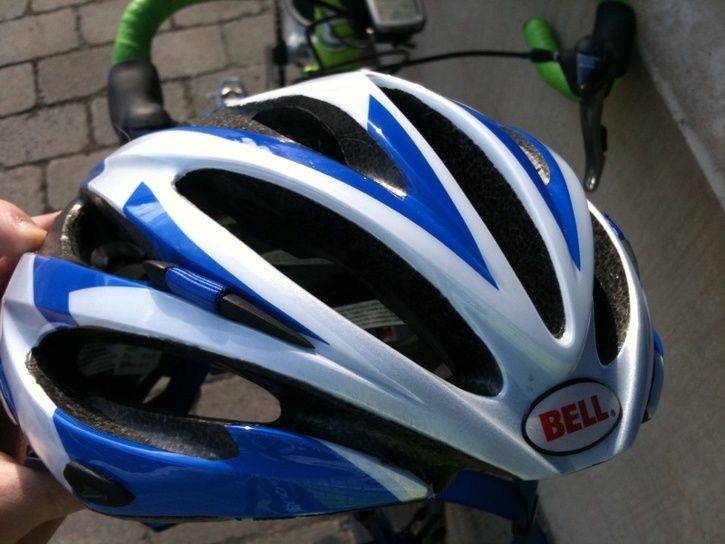
Min nya hjälm. Den höll men ska ändå ramas in.
Blod.

Jag hoppas detta avskräcker förespråkarna för att cykla utan hjälm.
Jag tackar hjälmen för att jag lever.
Skit samma egentligen, jag slog över styret. Jag landade på hjälmen. Jag hann inte få fram händerna helt men tog emot mig en del med högerhanden.
Här är några bilder.
Så här ser cykeln ut. Jag tror bara vänster bromshandtag är skadat. Har inte kollat så noga än. Måste plåta cykeln under fm för försäkringens skull.
Min nya hjälm. Den höll men ska ändå ramas in.
Blod.
Jag hoppas detta avskräcker förespråkarna för att cykla utan hjälm.
Jag tackar hjälmen för att jag lever.
Cykla utan hjälm?
Sandblom: Är det nedanstående sammanfattning som du tolkat till att hjälmförsedda cyklister tar större risker? Jag kanske har svårt för utrikiska men den tolkningen får jag inte riktigt ihop...
"I en multivariat analyse fant vi at de med hjelm er klar over risikoen de utsetter seg for; hjelmbrukerne oppfatter (korrekt) risikoen for en ulykke som høyere enn de som ikke bruker hjelm. Vi finner også at de som mener det er høy risiko for å bli utsatt for ulykker bruker annet sykkelutstyr i større grad enn de som mener det er lav risiko for ulykker."
Jag läser det som '...de med hjälm är medvetna om risken de utsätter sig för...hjälmbrukarna uppfattar korrekt risken för olyckor som högre än de som cyklar utan hjälm...'
Slutsatsen måste väl vara att ej hjälmförsedda inte gjort en riktig säkerhetsanalys? dvs uttrycket "tomma lador behöver inget tak" är applicerbart även här...
"I en multivariat analyse fant vi at de med hjelm er klar over risikoen de utsetter seg for; hjelmbrukerne oppfatter (korrekt) risikoen for en ulykke som høyere enn de som ikke bruker hjelm. Vi finner også at de som mener det er høy risiko for å bli utsatt for ulykker bruker annet sykkelutstyr i større grad enn de som mener det er lav risiko for ulykker."
Jag läser det som '...de med hjälm är medvetna om risken de utsätter sig för...hjälmbrukarna uppfattar korrekt risken för olyckor som högre än de som cyklar utan hjälm...'
Slutsatsen måste väl vara att ej hjälmförsedda inte gjort en riktig säkerhetsanalys? dvs uttrycket "tomma lador behöver inget tak" är applicerbart även här...
Cykla utan hjälm?
MTBiker - anekdotisk bevisföring ;). Om du hade spräckt skallen så hade kanske ett överviktigt fetto räddats från en förtidig död genom att han/hon cyklat. Det är i alla fall så som jag tolkar argumenten mot hjälmkampanjer och hjälmanvändande.
Men i alla fall - stort grattis trots allt - kunde nog gått bra mycket värre
Men i alla fall - stort grattis trots allt - kunde nog gått bra mycket värre

fphotography
Aktiv medlem
Cykla utan hjälm?
Bilhjälm är kanske inte en så tokig idé. Sidorutan är betydligt hårdare än många tror. En vän till mig slog till sig en hjärnskakning trots hjälm och själv har jag slagit i så hårt att synen påverkades under fem minuter, också det trots hjälm.
I övrigt använder jag hjälm när jag tränar/motionerar men inte när jag transporterar mig. Dock så cykelpendlar jag inte. Då skulle jag nog använda hjälm.
Det hela handlar om en avvägning mellan personlig frihet och risker naturligtvis. Det går liksom att argumentera för att man ska använda hjälm när man går också. Man kan bli påkörd, snubbla och så vidare och slå huvudet i nån kant nånstans. Men nånstans väljer vi ändå vi vilka risker vi anser är rimliga och jag tycker det är okej att det är ett val vi får göra själva.
Det rimliga vore väl att man möjligen satte ett lagkrav på att farter över 30km/h kräver hjälm. Dvs vanliga moppegränsen. För onekligen ter det sig lite orimligt att mopedister måste ha hjälm och inte cyklister som många gånger cyklar fortare.
/Fredrik
I övrigt använder jag hjälm när jag tränar/motionerar men inte när jag transporterar mig. Dock så cykelpendlar jag inte. Då skulle jag nog använda hjälm.
Det hela handlar om en avvägning mellan personlig frihet och risker naturligtvis. Det går liksom att argumentera för att man ska använda hjälm när man går också. Man kan bli påkörd, snubbla och så vidare och slå huvudet i nån kant nånstans. Men nånstans väljer vi ändå vi vilka risker vi anser är rimliga och jag tycker det är okej att det är ett val vi får göra själva.
Det rimliga vore väl att man möjligen satte ett lagkrav på att farter över 30km/h kräver hjälm. Dvs vanliga moppegränsen. För onekligen ter det sig lite orimligt att mopedister måste ha hjälm och inte cyklister som många gånger cyklar fortare.
/Fredrik
Erik Sandblom
Aktiv medlem
Cykla utan hjälm?
Fikasvettot skrev:
-------------------------------------------------------
> Erik Sandblom skrev:
> --------------------------------------------------
> -----
> > Ja, bilbälte förstör inte frisyren och gör
> > inte att man svettas mer (mest värme går ut
> > genom huvudet).
>
>
> Källor på det?
Att mest värme går ut genom huvudet märker man om man sätter på en mössa på vintern. Eller mest värme per yta kanske.
Independent: 'Helmet hair' puts women off cycling
Women are three times less likely to cycle than men because they are put off by "helmet hair" and getting sweaty, a survey said today.
-------------------------------------------------------
> Erik Sandblom skrev:
> --------------------------------------------------
> -----
> > Ja, bilbälte förstör inte frisyren och gör
> > inte att man svettas mer (mest värme går ut
> > genom huvudet).
>
>
> Källor på det?
Att mest värme går ut genom huvudet märker man om man sätter på en mössa på vintern. Eller mest värme per yta kanske.
Independent: 'Helmet hair' puts women off cycling
Women are three times less likely to cycle than men because they are put off by "helmet hair" and getting sweaty, a survey said today.
Erik Sandblom
Aktiv medlem
Cykla utan hjälm?
MickeS skrev:
-------------------------------------------------------
> Sandblom: Är det nedanstående sammanfattning som
> du tolkat till att hjälmförsedda cyklister tar
> större risker? Jag kanske har svårt för
> utrikiska men den tolkningen får jag inte riktigt
> ihop...
>
> "I en multivariat analyse fant vi at de med hjelm
> er klar over risikoen de utsetter seg for;
> hjelmbrukerne oppfatter (korrekt) risikoen for en
> ulykke som høyere enn de som ikke bruker hjelm.
> Vi finner også at de som mener det er høy risiko
> for å bli utsatt for ulykker bruker annet
> sykkelutstyr i større grad enn de som mener det
> er lav risiko for ulykker."
>
> Jag läser det som '...de med hjälm är medvetna
> om risken de utsätter sig för...hjälmbrukarna
> uppfattar korrekt risken för olyckor som högre
> än de som cyklar utan hjälm...'
>
> Slutsatsen måste väl vara att ej hjälmförsedda
> inte gjort en riktig säkerhetsanalys? dvs
> uttrycket "tomma lador behöver inget tak" är
> applicerbart även här...
Nej, läs också artikelns rubrik (och gärna hela artikeln). De som cyklar med hjälm tillsammans annan utstyrsel som t ex cykeldator tar större risker än andra när de cyklar.
Syklister som bruker både hjelm og annet utstyr: Råest og farligst - Samferdsel
-------------------------------------------------------
> Sandblom: Är det nedanstående sammanfattning som
> du tolkat till att hjälmförsedda cyklister tar
> större risker? Jag kanske har svårt för
> utrikiska men den tolkningen får jag inte riktigt
> ihop...
>
> "I en multivariat analyse fant vi at de med hjelm
> er klar over risikoen de utsetter seg for;
> hjelmbrukerne oppfatter (korrekt) risikoen for en
> ulykke som høyere enn de som ikke bruker hjelm.
> Vi finner også at de som mener det er høy risiko
> for å bli utsatt for ulykker bruker annet
> sykkelutstyr i større grad enn de som mener det
> er lav risiko for ulykker."
>
> Jag läser det som '...de med hjälm är medvetna
> om risken de utsätter sig för...hjälmbrukarna
> uppfattar korrekt risken för olyckor som högre
> än de som cyklar utan hjälm...'
>
> Slutsatsen måste väl vara att ej hjälmförsedda
> inte gjort en riktig säkerhetsanalys? dvs
> uttrycket "tomma lador behöver inget tak" är
> applicerbart även här...
Nej, läs också artikelns rubrik (och gärna hela artikeln). De som cyklar med hjälm tillsammans annan utstyrsel som t ex cykeldator tar större risker än andra när de cyklar.
Syklister som bruker både hjelm og annet utstyr: Råest og farligst - Samferdsel
Senast redigerad av en moderator:
Cykla utan hjälm?
Erik Sandblom skrev:
-------------------------------------------------------
> Att mest värme går ut genom huvudet märker man
> om man sätter på en mössa på vintern. Eller
> mest värme per yta kanske.
http://sv.wikipedia.org/wiki/Anekdotisk_bevisföring
-------------------------------------------------------
> Att mest värme går ut genom huvudet märker man
> om man sätter på en mössa på vintern. Eller
> mest värme per yta kanske.
http://sv.wikipedia.org/wiki/Anekdotisk_bevisföring
Cykla utan hjälm?
fphotography skrev:
-------------------------------------------------------
> Det rimliga vore väl att man möjligen satte ett
> lagkrav på att farter över 30km/h kräver
> hjälm. Dvs vanliga moppegränsen. För onekligen
> ter det sig lite orimligt att mopedister måste ha
> hjälm och inte cyklister som många gånger
> cyklar fortare.
Numera ser man i stort sett aldrig "gamla" moppar. Bara EU-moppar, och de flesta verkar sakna stoppet vid 45 km/h som de måste ha. Jag ser ofta EU-moppar blåsa förbi i 60-70 km/h.
-------------------------------------------------------
> Det rimliga vore väl att man möjligen satte ett
> lagkrav på att farter över 30km/h kräver
> hjälm. Dvs vanliga moppegränsen. För onekligen
> ter det sig lite orimligt att mopedister måste ha
> hjälm och inte cyklister som många gånger
> cyklar fortare.
Numera ser man i stort sett aldrig "gamla" moppar. Bara EU-moppar, och de flesta verkar sakna stoppet vid 45 km/h som de måste ha. Jag ser ofta EU-moppar blåsa förbi i 60-70 km/h.
Erik Sandblom
Aktiv medlem
Cykla utan hjälm?
Fikasvettot skrev:
-------------------------------------------------------
> Erik Sandblom skrev:
> --------------------------------------------------
> -----
> > Att mest värme går ut genom huvudet märker
> man
> > om man sätter på en mössa på vintern. Eller
> > mest värme per yta kanske.
>
> http://sv.wikipedia.org/wiki/Anekdotisk_bevisf%C3%
> B6ring
Nej det är väl snarare anatomi än anektdotisk bevisföring.
-------------------------------------------------------
> Erik Sandblom skrev:
> --------------------------------------------------
> -----
> > Att mest värme går ut genom huvudet märker
> man
> > om man sätter på en mössa på vintern. Eller
> > mest värme per yta kanske.
>
> http://sv.wikipedia.org/wiki/Anekdotisk_bevisf%C3%
> B6ring
Nej det är väl snarare anatomi än anektdotisk bevisföring.
Cykla utan hjälm?
geologen skrev:
-------------------------------------------------------
> Jag ser ofta EU-moppar blåsa förbi i 60-70 km/h.
http://sv.wikipedia.org/wiki/Anekdotisk_bevisföring
-------------------------------------------------------
> Jag ser ofta EU-moppar blåsa förbi i 60-70 km/h.
http://sv.wikipedia.org/wiki/Anekdotisk_bevisföring
fphotography
Aktiv medlem
Cykla utan hjälm?
geologen skrev:
-------------------------------------------------------
> fphotography skrev:
> --------------------------------------------------
> -----
> > Det rimliga vore väl att man möjligen satte
> ett
> > lagkrav på att farter över 30km/h kräver
> > hjälm. Dvs vanliga moppegränsen. För
> onekligen
> > ter det sig lite orimligt att mopedister måste
> ha
> > hjälm och inte cyklister som många gånger
> > cyklar fortare.
>
> Numera ser man i stort sett aldrig "gamla" moppar.
> Bara EU-moppar, och de flesta verkar sakna stoppet
> vid 45 km/h som de måste ha. Jag ser ofta
> EU-moppar blåsa förbi i 60-70 km/h.
Det är förvisso sant, men kravet på hjälm finns fortfarande på gamla moppar och det rimliga vore att det gällde cyklister som cyklar i samma hastigheter. På så sätt gör man en åtskillnad mellan motionärer/tävlingscyklister och de som är ute på söndagspicknick med tantcykeln.
Dom nya eu-mopparna är för övrigt rätt svåra att skilja från vanliga mc/scoters så det är inte så lätt att veta om det är en trimmad eu-moppe eller en 125cc mc kommer farande.
/Fredrik
Som ska ut i blåsten och cykla lite...
-------------------------------------------------------
> fphotography skrev:
> --------------------------------------------------
> -----
> > Det rimliga vore väl att man möjligen satte
> ett
> > lagkrav på att farter över 30km/h kräver
> > hjälm. Dvs vanliga moppegränsen. För
> onekligen
> > ter det sig lite orimligt att mopedister måste
> ha
> > hjälm och inte cyklister som många gånger
> > cyklar fortare.
>
> Numera ser man i stort sett aldrig "gamla" moppar.
> Bara EU-moppar, och de flesta verkar sakna stoppet
> vid 45 km/h som de måste ha. Jag ser ofta
> EU-moppar blåsa förbi i 60-70 km/h.
Det är förvisso sant, men kravet på hjälm finns fortfarande på gamla moppar och det rimliga vore att det gällde cyklister som cyklar i samma hastigheter. På så sätt gör man en åtskillnad mellan motionärer/tävlingscyklister och de som är ute på söndagspicknick med tantcykeln.
Dom nya eu-mopparna är för övrigt rätt svåra att skilja från vanliga mc/scoters så det är inte så lätt att veta om det är en trimmad eu-moppe eller en 125cc mc kommer farande.
/Fredrik
Som ska ut i blåsten och cykla lite...
Erik Sandblom
Aktiv medlem
Cykla utan hjälm?
fphotography skrev:
-------------------------------------------------------
> geologen skrev:
> --------------------------------------------------
> -----
> > fphotography skrev:
> >
> --------------------------------------------------
>
> > -----
> > > Det rimliga vore väl att man möjligen satte
> > ett
> > > lagkrav på att farter över 30km/h kräver
> > > hjälm. Dvs vanliga moppegränsen. För
> > onekligen
> > > ter det sig lite orimligt att mopedister
> måste
> > ha
> > > hjälm och inte cyklister som många gånger
> > > cyklar fortare.
> >
> > Numera ser man i stort sett aldrig "gamla"
> moppar.
> > Bara EU-moppar, och de flesta verkar sakna
> stoppet
> > vid 45 km/h som de måste ha. Jag ser ofta
> > EU-moppar blåsa förbi i 60-70 km/h.
>
> Det är förvisso sant, men kravet på hjälm
> finns fortfarande på gamla moppar och det rimliga
> vore att det gällde cyklister som cyklar i samma
> hastigheter. På så sätt gör man en åtskillnad
> mellan motionärer/tävlingscyklister och de som
> är ute på söndagspicknick med tantcykeln.
>
> Dom nya eu-mopparna är för övrigt rätt svåra
> att skilja från vanliga mc/scoters så det är
> inte så lätt att veta om det är en trimmad
> eu-moppe eller en 125cc mc kommer farande.
En viktig skillnad mellan cykel och moped är att cykeln ger motion.
I åldersgruppen 45-64 och 65-74 ligger hjärt- kärlsjukdomar tvåa på listan över dödsorsaker, efter tumörer. I Sverige drabbas cirka 30 000 människor per år av stroke (hjärnblödning). Båda förebyggs av att sluta röka och av daglig motion som t ex att cykla till jobb och skola.
Socialstyrelsen: Dödsorsaker 2004
http://sv.wikipedia.org/wiki/Stroke
Om hjälmkampanjer eller hjälmlagar minskar cyklingen, eller hindrar cyklingen från att öka, så får det alltså konsekvenser för folkhälsan.
-------------------------------------------------------
> geologen skrev:
> --------------------------------------------------
> -----
> > fphotography skrev:
> >
> --------------------------------------------------
>
> > -----
> > > Det rimliga vore väl att man möjligen satte
> > ett
> > > lagkrav på att farter över 30km/h kräver
> > > hjälm. Dvs vanliga moppegränsen. För
> > onekligen
> > > ter det sig lite orimligt att mopedister
> måste
> > ha
> > > hjälm och inte cyklister som många gånger
> > > cyklar fortare.
> >
> > Numera ser man i stort sett aldrig "gamla"
> moppar.
> > Bara EU-moppar, och de flesta verkar sakna
> stoppet
> > vid 45 km/h som de måste ha. Jag ser ofta
> > EU-moppar blåsa förbi i 60-70 km/h.
>
> Det är förvisso sant, men kravet på hjälm
> finns fortfarande på gamla moppar och det rimliga
> vore att det gällde cyklister som cyklar i samma
> hastigheter. På så sätt gör man en åtskillnad
> mellan motionärer/tävlingscyklister och de som
> är ute på söndagspicknick med tantcykeln.
>
> Dom nya eu-mopparna är för övrigt rätt svåra
> att skilja från vanliga mc/scoters så det är
> inte så lätt att veta om det är en trimmad
> eu-moppe eller en 125cc mc kommer farande.
En viktig skillnad mellan cykel och moped är att cykeln ger motion.
I åldersgruppen 45-64 och 65-74 ligger hjärt- kärlsjukdomar tvåa på listan över dödsorsaker, efter tumörer. I Sverige drabbas cirka 30 000 människor per år av stroke (hjärnblödning). Båda förebyggs av att sluta röka och av daglig motion som t ex att cykla till jobb och skola.
Socialstyrelsen: Dödsorsaker 2004
http://sv.wikipedia.org/wiki/Stroke
Om hjälmkampanjer eller hjälmlagar minskar cyklingen, eller hindrar cyklingen från att öka, så får det alltså konsekvenser för folkhälsan.
Erik Sandblom
Aktiv medlem
Cykla utan hjälm?
fphotography skrev:
-------------------------------------------------------
> Bilhjälm är kanske inte en så tokig idé.
> Sidorutan är betydligt hårdare än många tror.
> En vän till mig slog till sig en hjärnskakning
> trots hjälm och själv har jag slagit i så hårt
> att synen påverkades under fem minuter, också
> det trots hjälm.
>
> I övrigt använder jag hjälm när jag
> tränar/motionerar men inte när jag transporterar
> mig. Dock så cykelpendlar jag inte. Då skulle
> jag nog använda hjälm.
>
> Det hela handlar om en avvägning mellan personlig
> frihet och risker naturligtvis. Det går liksom
> att argumentera för att man ska använda hjälm
> när man går också. Man kan bli påkörd,
> snubbla och så vidare och slå huvudet i nån
> kant nånstans. Men nånstans väljer vi ändå vi
> vilka risker vi anser är rimliga och jag tycker
> det är okej att det är ett val vi får göra
> själva.
>
> Det rimliga vore väl att man möjligen satte ett
> lagkrav på att farter över 30km/h kräver
> hjälm. Dvs vanliga moppegränsen. För onekligen
> ter det sig lite orimligt att mopedister måste ha
> hjälm och inte cyklister som många gånger
> cyklar fortare.
>
> /Fredrik
Ett problem med att ge bilister extra skydd är att de riskkompenserar, det vill säga att det kan bli fler krockar. Det gör det farligare för mjuka trafikanter som fotgängare och cyklister, som kan bli överkörda.
John Adams: Seat belts: another look at the data
Trafiksäkerhet för vem? - Ecoprofile
-------------------------------------------------------
> Bilhjälm är kanske inte en så tokig idé.
> Sidorutan är betydligt hårdare än många tror.
> En vän till mig slog till sig en hjärnskakning
> trots hjälm och själv har jag slagit i så hårt
> att synen påverkades under fem minuter, också
> det trots hjälm.
>
> I övrigt använder jag hjälm när jag
> tränar/motionerar men inte när jag transporterar
> mig. Dock så cykelpendlar jag inte. Då skulle
> jag nog använda hjälm.
>
> Det hela handlar om en avvägning mellan personlig
> frihet och risker naturligtvis. Det går liksom
> att argumentera för att man ska använda hjälm
> när man går också. Man kan bli påkörd,
> snubbla och så vidare och slå huvudet i nån
> kant nånstans. Men nånstans väljer vi ändå vi
> vilka risker vi anser är rimliga och jag tycker
> det är okej att det är ett val vi får göra
> själva.
>
> Det rimliga vore väl att man möjligen satte ett
> lagkrav på att farter över 30km/h kräver
> hjälm. Dvs vanliga moppegränsen. För onekligen
> ter det sig lite orimligt att mopedister måste ha
> hjälm och inte cyklister som många gånger
> cyklar fortare.
>
> /Fredrik
Ett problem med att ge bilister extra skydd är att de riskkompenserar, det vill säga att det kan bli fler krockar. Det gör det farligare för mjuka trafikanter som fotgängare och cyklister, som kan bli överkörda.
John Adams: Seat belts: another look at the data
Trafiksäkerhet för vem? - Ecoprofile
Cykla utan hjälm?
Erik Sandblom skrev:
-------------------------------------------------------
> Fikasvettot skrev:
> --------------------------------------------------
> -----
> > Erik Sandblom skrev:
> >
> --------------------------------------------------
>
> > -----
> > > Att mest värme går ut genom huvudet märker
> > man
> > > om man sätter på en mössa på vintern.
> Eller
> > > mest värme per yta kanske.
> >
> >
> http://sv.wikipedia.org/wiki/Anekdotisk_bevisf%C3%
>
> > B6ring
>
>
> Nej det är väl snarare anatomi än anektdotisk
> bevisföring.
Är det bara anekdotisk bevisföring när nån annan än du använder sig av det?
Men det är värre än så. Det är en myt.
Välformulerat:
"The myth is thought to have arisen through a flawed interpretation of a vaguely scientific experiment by the US military in the 1950s. "
Att mest värme går ut genom oisolerade delar av kroppen är inte så konstigt. Men det är inget speciellt med huvudet. Men självklart blir det varmt om man tar på sig för mycket kläder totalt sett.
-------------------------------------------------------
> Fikasvettot skrev:
> --------------------------------------------------
> -----
> > Erik Sandblom skrev:
> >
> --------------------------------------------------
>
> > -----
> > > Att mest värme går ut genom huvudet märker
> > man
> > > om man sätter på en mössa på vintern.
> Eller
> > > mest värme per yta kanske.
> >
> >
> http://sv.wikipedia.org/wiki/Anekdotisk_bevisf%C3%
>
> > B6ring
>
>
> Nej det är väl snarare anatomi än anektdotisk
> bevisföring.
Är det bara anekdotisk bevisföring när nån annan än du använder sig av det?
Men det är värre än så. Det är en myt.
Välformulerat:
"The myth is thought to have arisen through a flawed interpretation of a vaguely scientific experiment by the US military in the 1950s. "
Att mest värme går ut genom oisolerade delar av kroppen är inte så konstigt. Men det är inget speciellt med huvudet. Men självklart blir det varmt om man tar på sig för mycket kläder totalt sett.
Cykla utan hjälm?
Erik Sandblom skrev:
-------------------------------------------------------
> peter2m skrev:
> --------------------------------------------------
> -----
> >
> > Jag antar att du inte använder bältet i bilen
> > heller...alla riktiga cyklister som synat
> > asfalten
> > använder cykelhjälm, har skickat tre hjälmar
> > till tippen.
>
>
> Cykelhjälm ska inte jämföras med bilbälte utan
> med bilhjälm. Tävlingsförare använder
> bilhjälm när de tävlar.
Kan någon förklara den här repliken för mig? Jag är utan tvekan för korkad för att förstå den på egen hand.
-------------------------------------------------------
> peter2m skrev:
> --------------------------------------------------
> -----
> >
> > Jag antar att du inte använder bältet i bilen
> > heller...alla riktiga cyklister som synat
> > asfalten
> > använder cykelhjälm, har skickat tre hjälmar
> > till tippen.
>
>
> Cykelhjälm ska inte jämföras med bilbälte utan
> med bilhjälm. Tävlingsförare använder
> bilhjälm när de tävlar.
Kan någon förklara den här repliken för mig? Jag är utan tvekan för korkad för att förstå den på egen hand.
Cykla utan hjälm?
Erik Sandblom skrev:
-------------------------------------------------------
> Att mest värme går ut genom huvudet märker man
> om man sätter på en mössa på vintern. Eller
> mest värme per yta kanske.
Ett utmärkt exempel på hur man inte ska genomföra en studie.
Du skulle komma till slutsatsen att mest värme går ut genom midjan om du istället hade en tjock jacka på huvudet och midjan bar.
http://www.dn.se/nyheter/sverige/lakare-slar-hal-pa-julmyter-1.475340
"En annan vintermyt är att det är viktigt att täcka huvudet med hatt eller mössa eftersom mellan 40 och 45 procent av vår kroppsvärme går ut genom huvudet. Inte sant, säger läkarna. I stället kan de visa att uppfattningen sannolikt kommer från en gammal militärstudie där rekryter studerades i arktiska överlevnadsdräkter utan mössa. Eftersom huvudet var den enda av soldaternas kroppsyta som var exponerad för kölden så förlorade de mycket värme den vägen och myten uppstod."
-------------------------------------------------------
> Att mest värme går ut genom huvudet märker man
> om man sätter på en mössa på vintern. Eller
> mest värme per yta kanske.
Ett utmärkt exempel på hur man inte ska genomföra en studie.
Du skulle komma till slutsatsen att mest värme går ut genom midjan om du istället hade en tjock jacka på huvudet och midjan bar.
http://www.dn.se/nyheter/sverige/lakare-slar-hal-pa-julmyter-1.475340
"En annan vintermyt är att det är viktigt att täcka huvudet med hatt eller mössa eftersom mellan 40 och 45 procent av vår kroppsvärme går ut genom huvudet. Inte sant, säger läkarna. I stället kan de visa att uppfattningen sannolikt kommer från en gammal militärstudie där rekryter studerades i arktiska överlevnadsdräkter utan mössa. Eftersom huvudet var den enda av soldaternas kroppsyta som var exponerad för kölden så förlorade de mycket värme den vägen och myten uppstod."
Cykla utan hjälm?
Erik Sandblom skrev:
-------------------------------------------------------
> Ett problem med att ge bilister extra skydd är
> att de riskkompenserar
Mycket snack om riskkompensering. Din wiki-länk är intressant. Första exemplet är ABS bromsar:
ABS bromsar är till för att behålla styrbarhet under bromsning på lågfriktionsväglag, inte för att förbättra bromssträcka.
Om det nu är så att 'riskkompensering' av folk som inte förså hur systemet fungerar gör att det inte blir några förbättringar i olycksstatistiken, är ABS bromsar då bra eller dåligt?
-------------------------------------------------------
> Ett problem med att ge bilister extra skydd är
> att de riskkompenserar
Mycket snack om riskkompensering. Din wiki-länk är intressant. Första exemplet är ABS bromsar:
There are at least three studies which show that drivers' response to antilock brakes is to drive faster, follow closer and brake later, accounting for the failure of ABS to result in any measurable improvement in road safety
ABS bromsar är till för att behålla styrbarhet under bromsning på lågfriktionsväglag, inte för att förbättra bromssträcka.
Om det nu är så att 'riskkompensering' av folk som inte förså hur systemet fungerar gör att det inte blir några förbättringar i olycksstatistiken, är ABS bromsar då bra eller dåligt?
Erik Sandblom
Aktiv medlem
Cykla utan hjälm?
Fikasvettot skrev:
-------------------------------------------------------
> Erik Sandblom skrev:
> --------------------------------------------------
> -----
> > Fikasvettot skrev:
> >
> --------------------------------------------------
>
> > -----
> > > Erik Sandblom skrev:
> > >
> >
> --------------------------------------------------
>
> >
> > > -----
> > > > Att mest värme går ut genom huvudet
> märker
> > > man
> > > > om man sätter på en mössa på vintern.
> > Eller
> > > > mest värme per yta kanske.
> > >
> > >
> >
> http://sv.wikipedia.org/wiki/Anekdotisk_bevisf%C3%
>
> >
> > > B6ring
> >
> >
> > Nej det är väl snarare anatomi än
> anektdotisk
> > bevisföring.
>
> Är det bara anekdotisk bevisföring när nån
> annan än du använder sig av det?
>
> Men det är värre än så. Det är en myt.
>
> Välformulerat:
> "The myth is thought to have arisen through a
> flawed interpretation of a vaguely scientific
> experiment by the US military in the 1950s. "
>
>
> Att mest värme går ut genom oisolerade delar av
> kroppen är inte så konstigt. Men det är inget
> speciellt med huvudet. Men självklart blir det
> varmt om man tar på sig för mycket kläder
> totalt sett.
Ha! En poäng till Fikasvettot. Jag är imponerad men inte ironisk!
Fler cyklar på sommaren än på vintern. Då är förstås inte befrämjande för cyklingen att rekommendera att folk täcker fler kroppsdelar än som redan är täckta av de kläder de ska ha på sig den dagen.
-------------------------------------------------------
> Erik Sandblom skrev:
> --------------------------------------------------
> -----
> > Fikasvettot skrev:
> >
> --------------------------------------------------
>
> > -----
> > > Erik Sandblom skrev:
> > >
> >
> --------------------------------------------------
>
> >
> > > -----
> > > > Att mest värme går ut genom huvudet
> märker
> > > man
> > > > om man sätter på en mössa på vintern.
> > Eller
> > > > mest värme per yta kanske.
> > >
> > >
> >
> http://sv.wikipedia.org/wiki/Anekdotisk_bevisf%C3%
>
> >
> > > B6ring
> >
> >
> > Nej det är väl snarare anatomi än
> anektdotisk
> > bevisföring.
>
> Är det bara anekdotisk bevisföring när nån
> annan än du använder sig av det?
>
> Men det är värre än så. Det är en myt.
>
> Välformulerat:
> "The myth is thought to have arisen through a
> flawed interpretation of a vaguely scientific
> experiment by the US military in the 1950s. "
>
>
> Att mest värme går ut genom oisolerade delar av
> kroppen är inte så konstigt. Men det är inget
> speciellt med huvudet. Men självklart blir det
> varmt om man tar på sig för mycket kläder
> totalt sett.
Ha! En poäng till Fikasvettot. Jag är imponerad men inte ironisk!
Fler cyklar på sommaren än på vintern. Då är förstås inte befrämjande för cyklingen att rekommendera att folk täcker fler kroppsdelar än som redan är täckta av de kläder de ska ha på sig den dagen.
Erik Sandblom
Aktiv medlem
Cykla utan hjälm?
Brad skrev:
-------------------------------------------------------
> Erik Sandblom skrev:
> --------------------------------------------------
> -----
> > Ett problem med att ge bilister extra skydd är
> > att de riskkompenserar
>
> Mycket snack om riskkompensering. Din wiki-länk
> är intressant. Första exemplet är ABS
> bromsar:
>
> There are at least three studies which show that
> drivers' response to antilock brakes is to drive
> faster, follow closer and brake later, accounting
> for the failure of ABS to result in any measurable
> improvement in road safety
>
> ABS bromsar är till för att behålla styrbarhet
> under bromsning på lågfriktionsväglag, inte
> för att förbättra bromssträcka.
>
> Om det nu är så att 'riskkompensering' av folk
> som inte förså hur systemet fungerar gör att
> det inte blir några förbättringar i
> olycksstatistiken, är ABS bromsar då bra eller
> dåligt?
Riskkompensering handlar inte om hur produkten är konstruerad utan om hur den används. Riskkompensering handlar alltså om psykologi och inte teknik. Om ABS-bromsar inte hjälper i vanliga fall, så har de gjort trafiken farligare eller hur?
-------------------------------------------------------
> Erik Sandblom skrev:
> --------------------------------------------------
> -----
> > Ett problem med att ge bilister extra skydd är
> > att de riskkompenserar
>
> Mycket snack om riskkompensering. Din wiki-länk
> är intressant. Första exemplet är ABS
> bromsar:
>
> There are at least three studies which show that
> drivers' response to antilock brakes is to drive
> faster, follow closer and brake later, accounting
> for the failure of ABS to result in any measurable
> improvement in road safety
>
> ABS bromsar är till för att behålla styrbarhet
> under bromsning på lågfriktionsväglag, inte
> för att förbättra bromssträcka.
>
> Om det nu är så att 'riskkompensering' av folk
> som inte förså hur systemet fungerar gör att
> det inte blir några förbättringar i
> olycksstatistiken, är ABS bromsar då bra eller
> dåligt?
Riskkompensering handlar inte om hur produkten är konstruerad utan om hur den används. Riskkompensering handlar alltså om psykologi och inte teknik. Om ABS-bromsar inte hjälper i vanliga fall, så har de gjort trafiken farligare eller hur?
Cykla utan hjälm?
"A study published in the March 2007 issue of Accident Analysis & Prevention stated that drivers drove an average of 8.5 cm closer, and came within 1 meter 23% more often, when a cyclist was wearing a helmet. Statements made in the report included: “The closer a driver is to the cyclist, the greater chance of a collision.”, “Drivers passed closer to the rider the further out into the road he was.”, “The bicyclist’s apparel affects the amount of clearance the overtaking motorist gives the bicyclist”. This research thus implies risk compensation, not among cyclists but among fellow road users. The issue of risk compensation among cyclists has been a central topic in the quite heated debate concerning effectiveness of helmet legislation."
Cykla utan hjälm?
Erik Sandblom skrev:
-------------------------------------------------------
> Riskkompensering handlar inte om hur produkten är
> konstruerad utan om hur den används.
> Riskkompensering handlar alltså om psykologi och
> inte teknik. Om ABS-bromsar inte hjälper i
> vanliga fall, så har de gjort trafiken farligare
> eller hur?
Vem sa att de inte hjälper? De är till för att man ska kunna styra när man bromsar på hal väglag. I din länk rapporteras det att folk kör fortare och bromsar senare, vilket ABS inte hjälper mot.
Att vissa kanske 'riskkompensera bort' fördelarna med ett system är ett dåligt argument för att inte använda systemet...
-------------------------------------------------------
> Riskkompensering handlar inte om hur produkten är
> konstruerad utan om hur den används.
> Riskkompensering handlar alltså om psykologi och
> inte teknik. Om ABS-bromsar inte hjälper i
> vanliga fall, så har de gjort trafiken farligare
> eller hur?
Vem sa att de inte hjälper? De är till för att man ska kunna styra när man bromsar på hal väglag. I din länk rapporteras det att folk kör fortare och bromsar senare, vilket ABS inte hjälper mot.
Att vissa kanske 'riskkompensera bort' fördelarna med ett system är ett dåligt argument för att inte använda systemet...
Erik Sandblom
Aktiv medlem
Cykla utan hjälm?
Brad skrev:
-------------------------------------------------------
> Erik Sandblom skrev:
> --------------------------------------------------
> -----
> > Riskkompensering handlar inte om hur produkten
> är
> > konstruerad utan om hur den används.
> > Riskkompensering handlar alltså om psykologi
> och
> > inte teknik. Om ABS-bromsar inte hjälper i
> > vanliga fall, så har de gjort trafiken
> farligare
> > eller hur?
>
> Vem sa att de inte hjälper? De är till för att
> man ska kunna styra när man bromsar på hal
> väglag. I din länk rapporteras det att folk
> kör fortare och bromsar senare, vilket ABS inte
> hjälper mot.
Ja då är det väl du som säger att de inte hjälper.
> Att vissa kanske 'riskkompensera bort' fördelarna
> med ett system är ett dåligt argument för att
> inte använda systemet...
Vad menar du med "använda systemet"? Menar du "att använda systemet så som Brad föreskriver" eller menar du "att använda systemet så som folk gör i verkligheten"?
Jag har inte läst studierna, men Wikipedias sammanfattning handlar om "drivers", det vill säga "förare" vilket jag tolkar som "bilister i allmänhet".
-------------------------------------------------------
> Erik Sandblom skrev:
> --------------------------------------------------
> -----
> > Riskkompensering handlar inte om hur produkten
> är
> > konstruerad utan om hur den används.
> > Riskkompensering handlar alltså om psykologi
> och
> > inte teknik. Om ABS-bromsar inte hjälper i
> > vanliga fall, så har de gjort trafiken
> farligare
> > eller hur?
>
> Vem sa att de inte hjälper? De är till för att
> man ska kunna styra när man bromsar på hal
> väglag. I din länk rapporteras det att folk
> kör fortare och bromsar senare, vilket ABS inte
> hjälper mot.
Ja då är det väl du som säger att de inte hjälper.
> Att vissa kanske 'riskkompensera bort' fördelarna
> med ett system är ett dåligt argument för att
> inte använda systemet...
Vad menar du med "använda systemet"? Menar du "att använda systemet så som Brad föreskriver" eller menar du "att använda systemet så som folk gör i verkligheten"?
Jag har inte läst studierna, men Wikipedias sammanfattning handlar om "drivers", det vill säga "förare" vilket jag tolkar som "bilister i allmänhet".
Cykla utan hjälm?
Erik Sandblom skrev:
-------------------------------------------------------
> I åldersgruppen 45-64 och 65-74 ligger hjärt-
> kärlsjukdomar tvåa på listan över
> dödsorsaker, efter tumörer. I Sverige drabbas
> cirka 30 000 människor per år av stroke
> (hjärnblödning). Båda förebyggs av att sluta
> röka och av daglig motion som t ex att cykla till
> jobb och skola.
Med din logik så borde det bästa isåfall vara för icke-rökare att börja röka för att sedan sluta.
-------------------------------------------------------
> I åldersgruppen 45-64 och 65-74 ligger hjärt-
> kärlsjukdomar tvåa på listan över
> dödsorsaker, efter tumörer. I Sverige drabbas
> cirka 30 000 människor per år av stroke
> (hjärnblödning). Båda förebyggs av att sluta
> röka och av daglig motion som t ex att cykla till
> jobb och skola.
Med din logik så borde det bästa isåfall vara för icke-rökare att börja röka för att sedan sluta.
Erik Sandblom
Aktiv medlem
Cykla utan hjälm?
JT skrev:
-------------------------------------------------------
> Erik Sandblom skrev:
> --------------------------------------------------
> -----
> > I åldersgruppen 45-64 och 65-74 ligger hjärt-
> > kärlsjukdomar tvåa på listan över
> > dödsorsaker, efter tumörer. I Sverige drabbas
> > cirka 30 000 människor per år av stroke
> > (hjärnblödning). Båda förebyggs av att
> sluta
> > röka och av daglig motion som t ex att cykla
> till
> > jobb och skola.
>
> Med din logik så borde det bästa isåfall vara
> för icke-rökare att börja röka för att sedan
> sluta.
Verkligheten är att de flesta "röker" idag. Åttio procent av befolkningen över 30 år är otillräckligt fysiskt aktiva varav 15-30 procent är helt fysiskt inaktiva. En bra lösning på det problemet är att fler går och cyklar till jobb och skola. Var tionde resa i Sverige sker med cykel trots att varannan bor inom fem kilometer från jobbet. Varannan bilresa är kortare än fem kilometer.
VT: Inte bilen under milen
Ecoprofile: De flesta rör sig inom tio kilometer
Nationell strategi för ökad och säker cykeltrafik
-------------------------------------------------------
> Erik Sandblom skrev:
> --------------------------------------------------
> -----
> > I åldersgruppen 45-64 och 65-74 ligger hjärt-
> > kärlsjukdomar tvåa på listan över
> > dödsorsaker, efter tumörer. I Sverige drabbas
> > cirka 30 000 människor per år av stroke
> > (hjärnblödning). Båda förebyggs av att
> sluta
> > röka och av daglig motion som t ex att cykla
> till
> > jobb och skola.
>
> Med din logik så borde det bästa isåfall vara
> för icke-rökare att börja röka för att sedan
> sluta.
Verkligheten är att de flesta "röker" idag. Åttio procent av befolkningen över 30 år är otillräckligt fysiskt aktiva varav 15-30 procent är helt fysiskt inaktiva. En bra lösning på det problemet är att fler går och cyklar till jobb och skola. Var tionde resa i Sverige sker med cykel trots att varannan bor inom fem kilometer från jobbet. Varannan bilresa är kortare än fem kilometer.
VT: Inte bilen under milen
Ecoprofile: De flesta rör sig inom tio kilometer
Nationell strategi för ökad och säker cykeltrafik


Köp & Sälj
-
 Säljes i Västra Götaland
 -
 Säljes i Västra Götaland
 -
 Säljes i Skåne
 -
 Köpes i Stockholm
 -
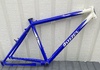 Säljes i Stockholm